Our Team
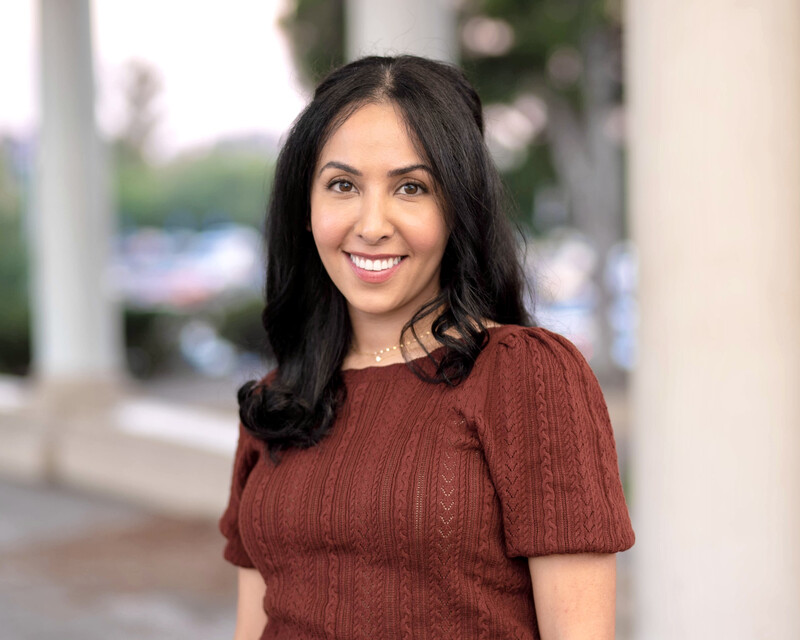
Founder
Abir Aldhalimi, PhD, founded the Mental Health AI Policy Project to ensure that the development of artificial intelligence for mental health support is grounded in safeguards, backed by research, and informed by lived experience. Driven by her work as a clinician, including with youth, and her experience in mental health policy, she is working to close the gap between what's known about AI's risks and benefits and the policies meant to govern it.
A Yale- and Stanford-trained clinical psychologist, Dr. Aldhalimi is a clinical instructor and researcher at the Yale School of Medicine, the Chief Clinical Officer of a digital mental health company supporting children with disabilities and their families, and an advisor to the Global AI Council on the safe and ethical use of AI. She has practiced as a clinical psychologist and advised on mental health policy for over a decade, including roles at the U.S. Agency for International Development and in U.S. Senator Maggie Hassan's office.
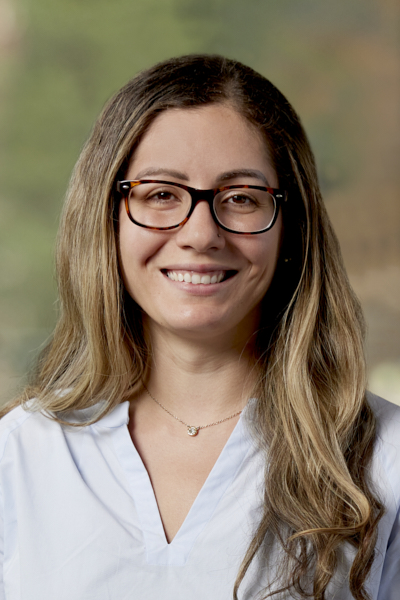
Nuha Alshabani, PhD
Director of Research and Stakeholder Engagement
Nuha Alshabani, PhD, is the Director of Research and Stakeholder Engagement at the Mental Health AI Policy Project, where she leads research and community engagement that informs evidence-based policy on artificial intelligence in mental health care. Her work ensures that the Project's policy analysis is grounded in rigorous evidence and in the experiences of consumers, clinicians, developers, and other stakeholders.
Dr. Alshabani previously served as an Associate Professor at Boston University School of Medicine. An implementation scientist by training, she brings research expertise in stakeholder engagement, mental health program design, and program adaptation to meet community needs. Her work emphasizes collaboration with communities to design, test, and implement strategies that increase accessibility, quality, and engagement in mental health care - expertise she now brings to artificial intelligence and mental health policy.
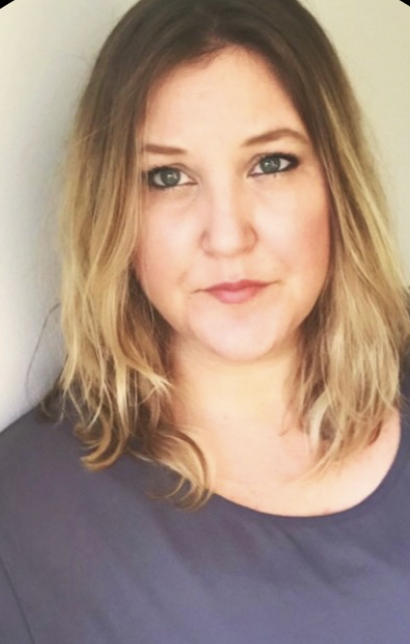
Advisory Board, Behavioral Health Workforce
Dr. Courtney Whitt serves on MHAIP's Advisory Board, bringing her expertise on the workforce implications of AI mental health policy. A counseling psychologist and Executive Director of the Florida Center for Behavioral Health Workforce (FCBHW), she is a leading voice on the structural challenges facing the behavioral health workforce.
She advises MHAIP on how emerging state laws, particularly those mandating clinical oversight of AI tools in care, will affect clinician capacity, scope of practice, and workforce sustainability across diverse practice settings.